How model castings in Dubai really work behind the scenes
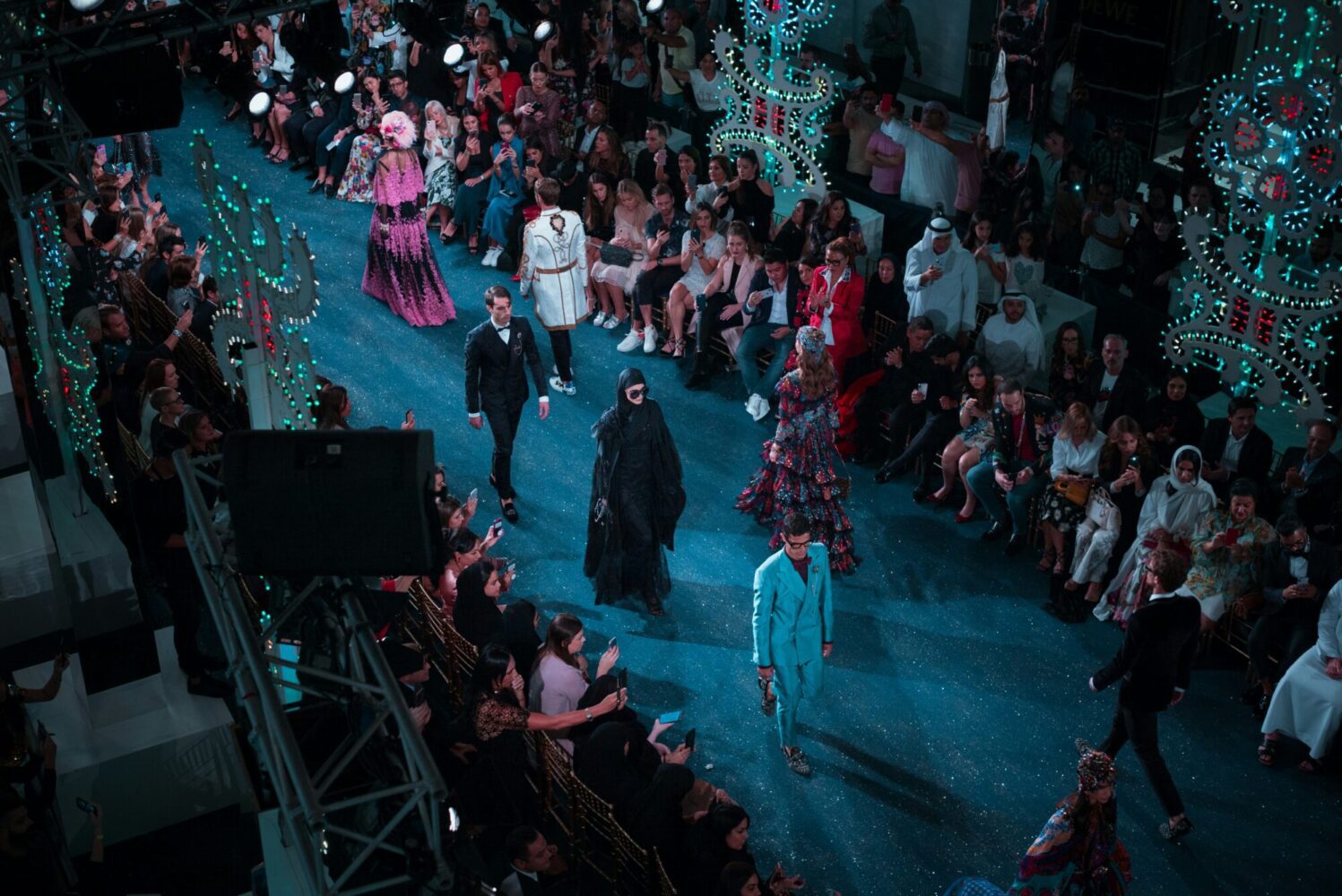
A casting call in Dubai can be over in three minutes, yet those few minutes often decide who appears in a luxury campaign, a runway show, or a hotel launch. Surprising, isn’t it? If model castings Dubai look effortless from the outside, what actually happens before the camera starts clicking and the shortlist is made?
Behind the polished images lies a fast, highly organized process shaped by timing, brand identity, and sharp observation. A casting is not simply about looks. It is about presence, reliability, movement, and whether a model can match a client’s vision in seconds. In Dubai, where fashion, hospitality, beauty, and events often overlap, that process becomes even more precise.
What happens before model castings Dubai begin
Long before any model enters the room, the agency and client define the brief. Height, style, age range, nationality, walk, skin type, hair texture, and even energy level may be discussed. Some briefs are broad. Others are so detailed they read like film scripts.
Then comes the first filter. Agencies review digitals, portfolios, runway clips, and recent test shoots. Availability matters just as much as appearance. A perfect face is useless if the model cannot attend a fitting, work late, or handle a last-minute call time.
Dubai adds another layer to this preparation. Many castings are tied to international events, seasonal campaigns, or luxury brand activations. That means short deadlines and little room for error. Sometimes the final selection starts before the physical casting even begins.
There is also a practical surprise many newcomers do not expect: clients often ask for backup options from the start. Why? Because schedules shift quickly. A confirmed model may land a bigger booking, face a visa issue, or be needed for another market. In this business, flexibility is currency.
The casting room is quieter than expected
Forget the dramatic movie version. Most casting rooms are calm, quick, and almost clinical. A model walks in, greets the team, states a name and agency, then follows simple directions: walk, turn, smile, pose, profile, close-up. That is usually enough.
Sometimes a client says very little. That silence can feel intimidating, but it is normal. The team is watching details. How does the model enter the space? Are the expressions natural? Does the posture change under pressure? Even a small hesitation can reveal a lot.
At fashion castings, movement is everything. For beauty jobs, skin clarity and facial control matter more. For commercial work, warmth often wins. A technically perfect runway walk may not help in a family lifestyle campaign. Different jobs reward different strengths.
Occasionally, there is a brief exchange. “Can you do that again, slower?” or “Show a softer smile.” These small adjustments test responsiveness. A model who takes direction well often moves ahead, even if another candidate has a stronger portfolio.
Why the shortlist is not only about appearance
This is the twist many outsiders miss. Being photogenic is just one part of the decision. Agencies and clients also assess professionalism, punctuality, attitude, and consistency. A model who arrives on time, prepared, and focused sends a strong signal before speaking a word.
In many model castings Dubai, personality quietly shapes the result. Luxury brands may want elegance without stiffness. Event clients may need charisma that can hold a crowd. E-commerce brands often prefer models who can repeat the same pose for hours without losing energy.
There is another hidden factor: team chemistry. A campaign may feature several faces together. One model can look excellent alone but feel visually wrong in a group. The shortlist is often built like a puzzle, not a ranking.
Measurements and maintenance also matter. If a garment sample fits only one exact size, the decision narrows fast. In runway production, tiny differences in timing can affect the entire rehearsal. Glamour may sell the dream, but logistics protect the show.
Self-tapes, digital selections, and fast decisions
Not every casting happens in person now. Many clients request self-tapes, simple introduction videos, or clean digitals shot in natural light. This speeds up approvals, especially when decision-makers are abroad. Dubai’s market is international, so remote selection has become routine.
Yet digital convenience has created a strange challenge. When everyone can submit quickly, agencies must work harder to verify consistency. Does the model in the video match the portfolio? Is the walk current? Has the look changed? A polished image means little if the real presentation feels different.
Some decisions are made within an hour. Others drag on for days while clients compare faces, budgets, and styling plans. That waiting period is one of the least visible parts of the business. The room may be empty, but messages keep flying, options keep shifting, and callback lists keep changing.
The final step: callbacks, fittings, and quiet pressure
Being shortlisted is not the finish line. A callback can be even more demanding because the client now compares very similar candidates. The difference may come down to posture, confidence, or the way fabric moves during a fitting.
Fittings are often underestimated. They reveal whether a model can carry the clothes, adapt quickly, and stay composed while a team works around them. In Dubai, where fashion shows and branded events often run on tight schedules, calm behavior under pressure is a serious advantage.
Then comes confirmation, release forms, rehearsal details, and last-minute updates. Sometimes the selected model is replaced hours before the job. Harsh? Yes. Unusual? Not at all. The industry rewards resilience as much as beauty.
That is why model castings Dubai are less about glamour than most imagine. They are part audition, part logistics test, and part character reading. The spotlight may last a minute, but everything around it is built on discipline.
Once the final look appears on a runway or campaign image, the process seems seamless. In reality, it is a chain of fast judgments, quiet observations, and constant adjustments. The next time a polished fashion image appears, it may be worth asking: how many unseen decisions shaped that one perfect frame?